Boron nitride ceramic parts are now helping focused ion beam columns work better. These parts stop charging, a common problem that slows down imaging and analysis. Charging happens when electrons build up on surfaces during operation. This buildup distorts the ion beam and reduces accuracy.
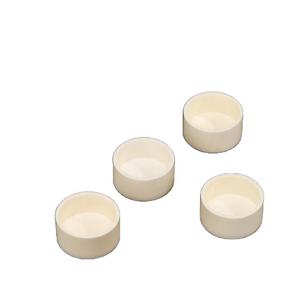
(Boron Nitride Ceramic Structural Components for Focused Ion Beam Columns Resist Charging)
Engineers have turned to boron nitride because it conducts heat well but not electricity. That mix makes it perfect for use inside sensitive instruments. The material keeps components cool without letting stray charges interfere. It also stays stable under high vacuum and extreme temperatures.
Manufacturers shape boron nitride into precise structural pieces like apertures, shields, and sample holders. Each part fits tightly into the column’s design. They replace older materials that could not handle long sessions or fine-detail work. Users report clearer images and fewer interruptions since switching.
The change matters most in labs that study tiny structures—like semiconductors, nanomaterials, or biological samples. In these fields, even small beam shifts ruin results. Boron nitride parts cut down on those errors. They also last longer, which lowers maintenance costs.
Suppliers are scaling up production to meet rising demand. New machining methods let them create complex shapes with tight tolerances. Quality control ensures every batch meets strict purity standards. Contaminants can cause arcing or outgassing, so clean manufacturing is key.
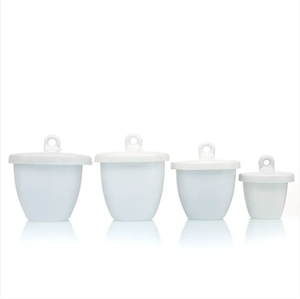
(Boron Nitride Ceramic Structural Components for Focused Ion Beam Columns Resist Charging)
Researchers and equipment makers both see value in this upgrade. It solves a stubborn issue without redesigning entire systems. Teams get better data faster, and machines run more smoothly. Boron nitride ceramics are becoming standard in next-generation focused ion beam tools.