A new high-performance boron nitride ceramic ring is now available for use in electrode holders during plasma arc melting of refractory metals. This innovation addresses long-standing challenges in extreme-temperature metal processing. The rings are made from high-purity boron nitride, a material known for its excellent thermal stability and electrical insulation properties.
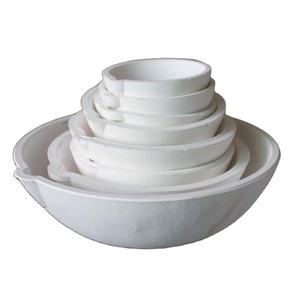
(Boron Nitride Ceramic Rings for Electrode Holders for Plasma Arc Melting of Refractory Metals)
These ceramic rings fit precisely into electrode holders used in plasma arc furnaces. They help maintain stable arc conditions while protecting the holder from intense heat and chemical reactions. Refractory metals like tungsten, molybdenum, and tantalum require melting temperatures above 2,500°C. Standard components often degrade under such conditions, but boron nitride remains stable.
Manufacturers report fewer maintenance stops and longer service life since adopting these rings. The material does not react with molten metals or furnace atmospheres. It also resists thermal shock, which prevents cracking during rapid heating or cooling cycles. This reliability reduces downtime and improves overall production efficiency.
The rings are machined to tight tolerances, ensuring consistent performance across batches. Their smooth surface finish minimizes contamination risks during melting. Users in aerospace, defense, and specialty alloy industries have already integrated the product into their operations.
Production of the boron nitride ceramic rings uses advanced forming and sintering techniques. This ensures uniform density and purity throughout each part. Suppliers can customize dimensions to match specific furnace designs. Lead times are short, and quality control checks are performed on every batch.
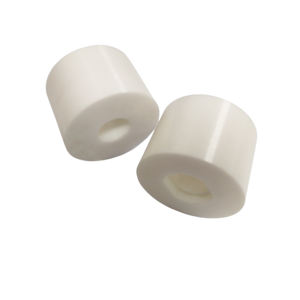
(Boron Nitride Ceramic Rings for Electrode Holders for Plasma Arc Melting of Refractory Metals)
Demand for high-quality refractory metal products continues to grow. These ceramic rings support that demand by enabling cleaner, more efficient melting processes. Engineers working with reactive or high-melting-point metals now have a dependable solution for electrode holder protection.