Porous ceramic components are now helping chemical reactors spread gas more evenly. These parts let gas flow through tiny holes in a steady way. This improves how reactions happen inside the reactor. Better gas distribution means reactions work more efficiently and consistently.
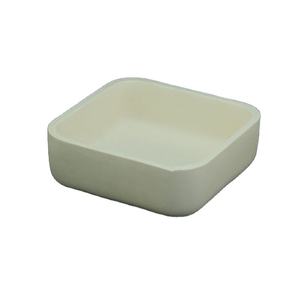
(Porous Ceramic Components Enable Uniform Gas Distribution in Chemical Reactors)
Engineers have long faced challenges with uneven gas flow in reactors. When gas does not spread well, some areas get too much while others get too little. This leads to wasted materials and lower output. Porous ceramics solve this problem by acting like a fine filter that spreads gas across the whole surface.
The ceramic material is strong and can handle high heat and harsh chemicals. It stays stable even under tough industrial conditions. Companies using these components report fewer hot spots and more predictable results. That helps them save energy and reduce costs.
These parts are made with precise control over pore size and shape. This lets engineers match the ceramic to the exact needs of each reactor. Custom designs mean better performance for different chemical processes. The technology works well in both small labs and large factories.
Manufacturers say the switch to porous ceramics has cut down on maintenance too. Because the gas flows smoothly, there is less buildup of unwanted residues. That means less cleaning and longer runs between shutdowns. Operators also find it easier to control reaction rates with this setup.
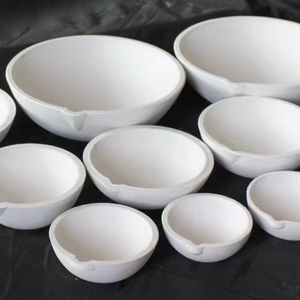
(Porous Ceramic Components Enable Uniform Gas Distribution in Chemical Reactors)
The use of porous ceramics is growing fast in sectors like petrochemicals, pharmaceuticals, and clean energy. Experts expect wider adoption as more plants look for ways to boost efficiency and cut emissions. The simple design and reliable function make these components a smart choice for modern chemical processing.